


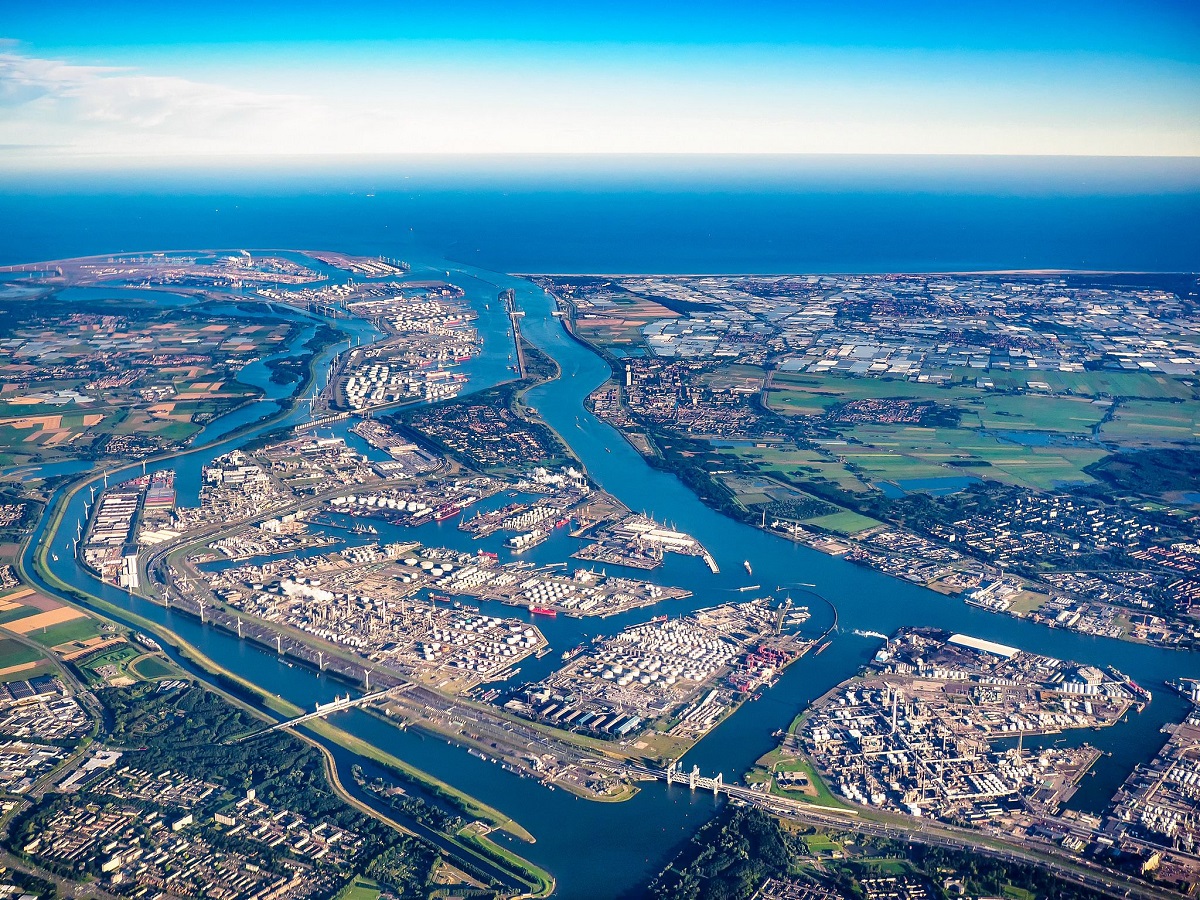

Container lashers in the Port of Rotterdam, the Netherlands, went on strike on Wednesday, 8 October, and on Friday. On Monday, 13 October the Port of Rotterdam announced that they were experiencing “major backlogs” with 33 vessels waiting in the anchorage areas, including 15 deep-sea containerships. A court found, with a coalition of their employers and businesses that argued, the strike was having a disproportionate impact and could threaten supply chains. As a result, the Court ordered the container lashers back to work for the next four days.
Further content is only available for registered users
Companies located in the port said the back-to-work order, which is temporary, was not ideal but would let them load and offload a few of the vessels while talks resumed. They forecasted that the current backlog would take till late October to clear, and if the strike is extended, the delays would easily continue into November.
In a statement issued over the weekend, the Port of Rotterdam, said, “We remain of the opinion that the action is currently causing disproportionate damage and putting serious pressure on the security of supply.”
The union, FNV, dismissed the claims, saying the delays and disruptions from the strike did not rise to the level of broad social impact required by law to intervene in the strike. They said the delays were “inconvenient,” but not urgent. The court, however, disagreed and told the lashers to resume work at 07.00am on Monday. If no settlement is reached, they can resume the strike on Friday, 17 October 2025.
The union has been demanding a seven percent wage increase on top of the current automatic inflation indexing. On Friday, the union lowered its demand to 6.5 percent, but the two companies that employ the container lashers are still rejecting the demand as too high.
The Port of Rotterdam said it hopes the lashers and their employers can reach an agreement this week at the negotiating table.
Delays have been mounting for containerships as well as other commercial vessels, as the Belgian union representing pilots also began a work slowdown last week. It is protesting the state’s pension reforms. As of Monday evening, the union is reporting that a total of 133 ships are now waiting, including 36 waiting for a pilot to leave the port of Antwerp. A total of 89 inbound vessels for the three Belgian ports are waiting offshore in the anchorages, and Belgium’s delays are expected to grow with the national organisations having called a nationwide strike for Thursday.